Find Your
Just as the years pass, floral design styles evolve. Join us as we look back on a quarter century of blooms and trends and perhaps discover your new favorite design style along the way!
2000-2005


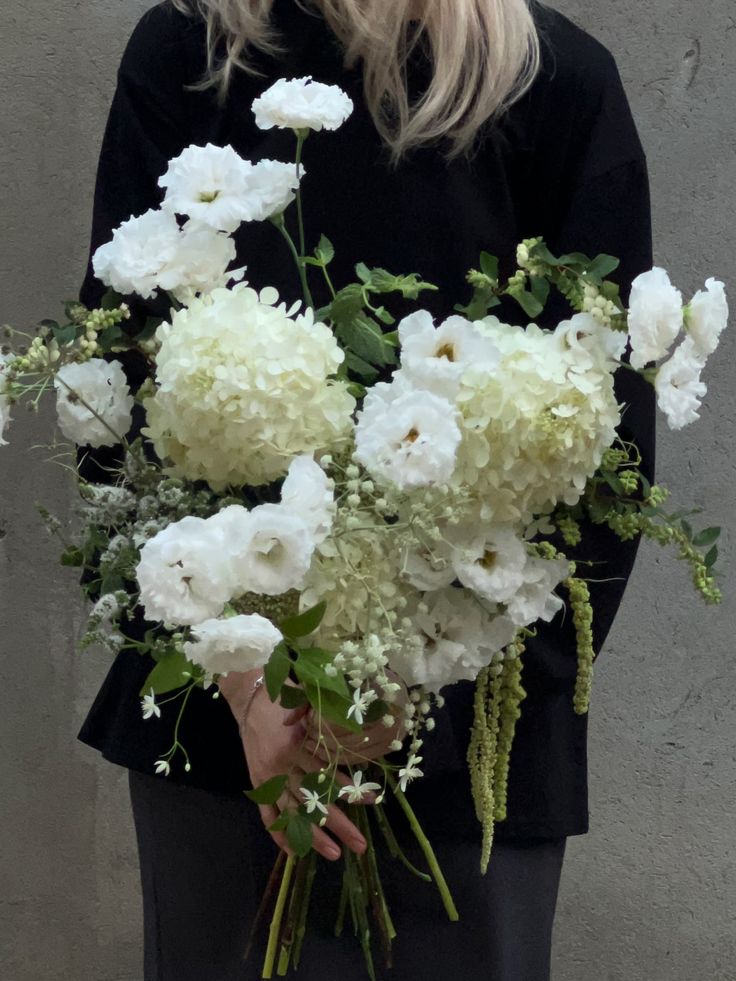
The early 2000s expressed a variety of styles. Just like fashion, floral designs are influenced by the world around us. These years were inspired by a classic era of style, including European massing, which was big in traditional wedding aesthetics, along with romantic garden styles influenced by rom-coms, creating a demand for fairytale ending bouquets. Monochrome designs also gained popularity as high-end brands pushed minimalism in event decor, which shortly influenced everyday interiors, allowing consumers to feel the high-end look from home!
2006-2010
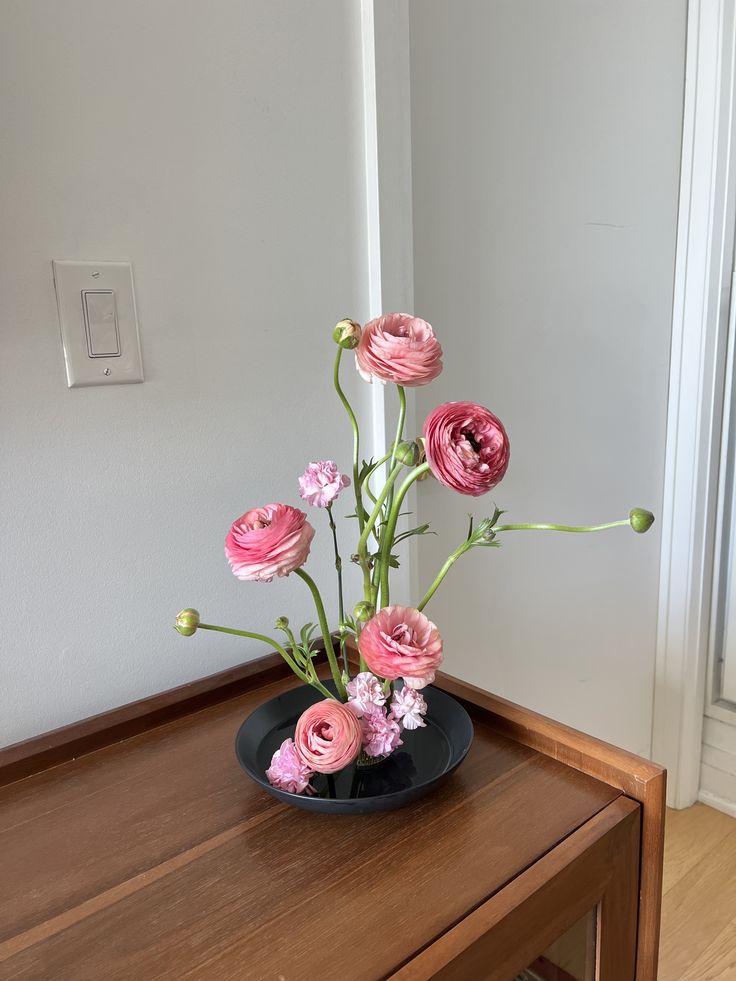
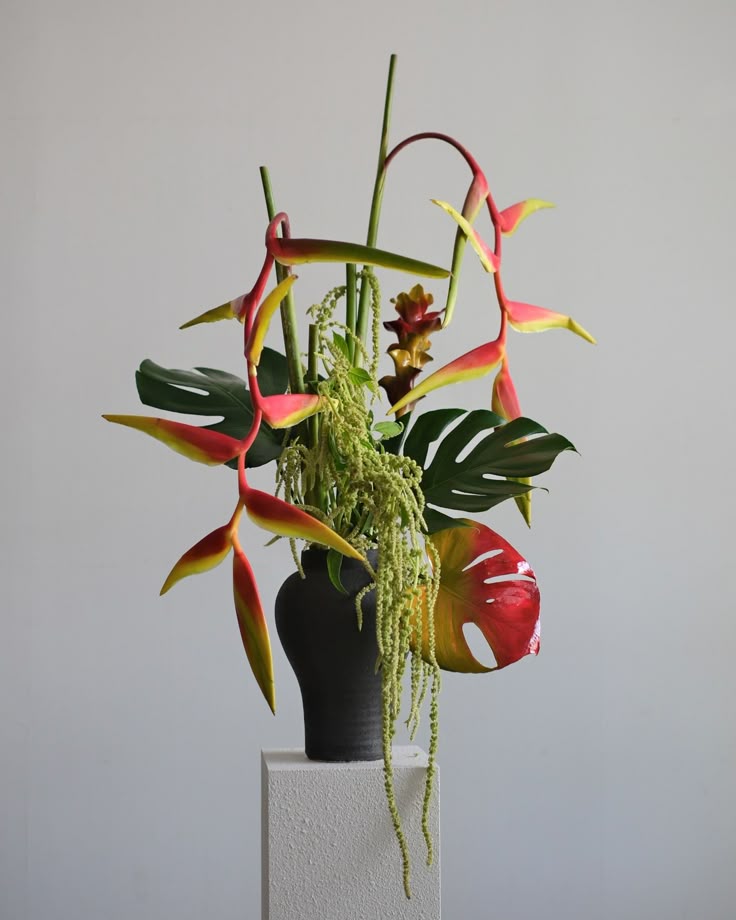
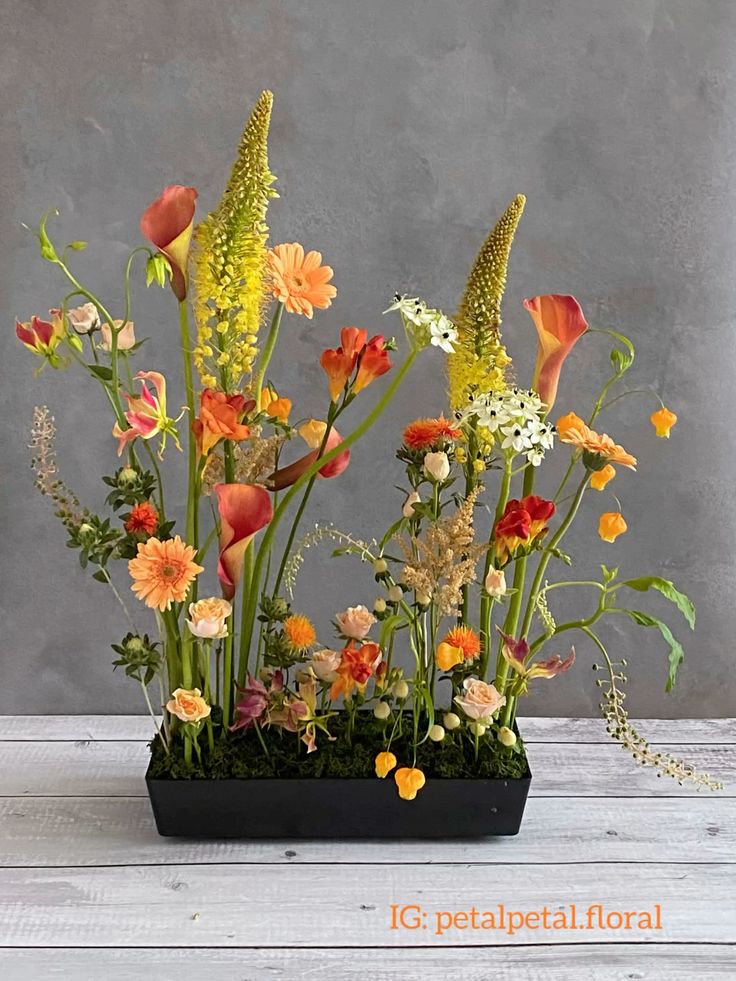
Straying away from the traditional look, the late 2010s were inspired by contemporary and sculptural designs. With a growing interest in Japanese culture and increased access to tropical flowers, Neo-Ikebana and tropical styles grew in popularity! Also, Editorial and fashion magazines featured clean lines along with modern architecture, which pushed florists towards high-style linear design work.
2011–2015
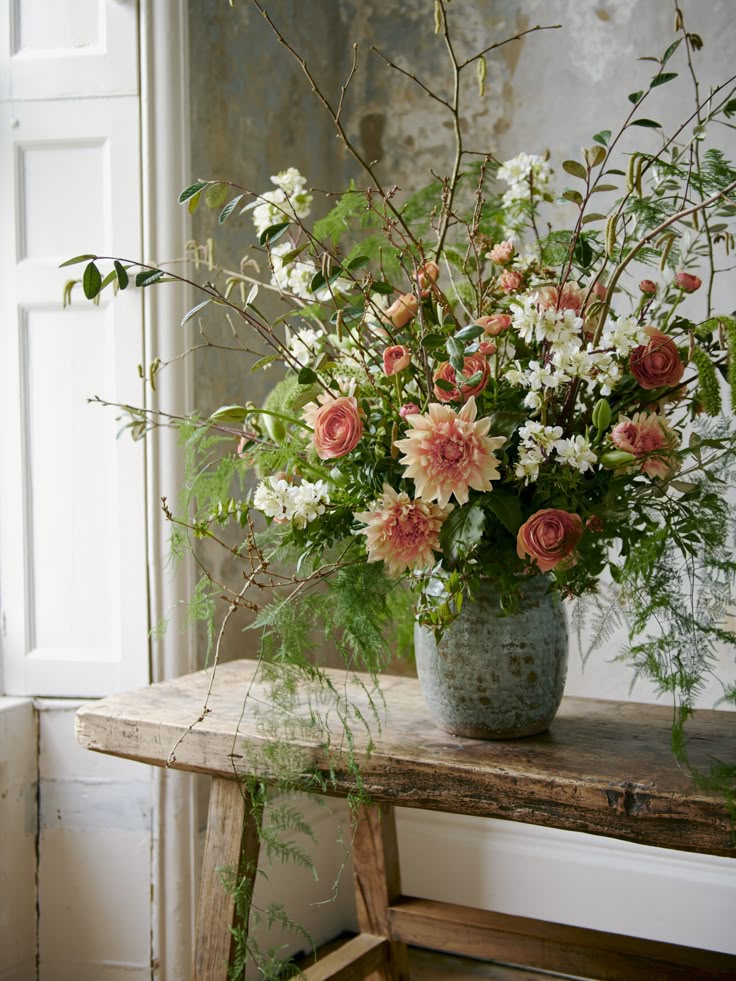

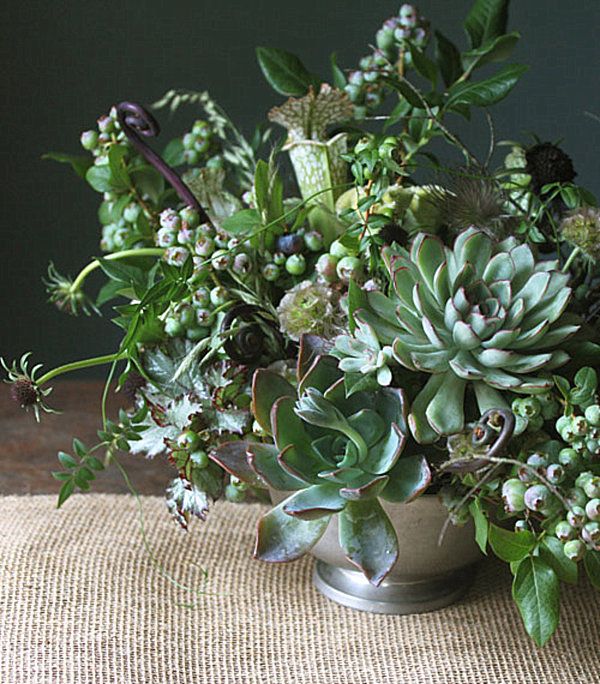
2011-2015 entered more of a natural design style compared to the high-end structured styles of years past. The rise of Pinterest influenced the Rustic Farmhouse style, along with the favored rustic DIY weddings. Whimsical boho chic was a heavy influence due to pop culture events like Coachella and festival culture, which triggered natural, free-spirited looks in everything, including floral design. This natural era also embraced plants. Department stores featured succulents in home design, and pretty soon, houseplants and succulents were in high demand in shops!
2016–2019

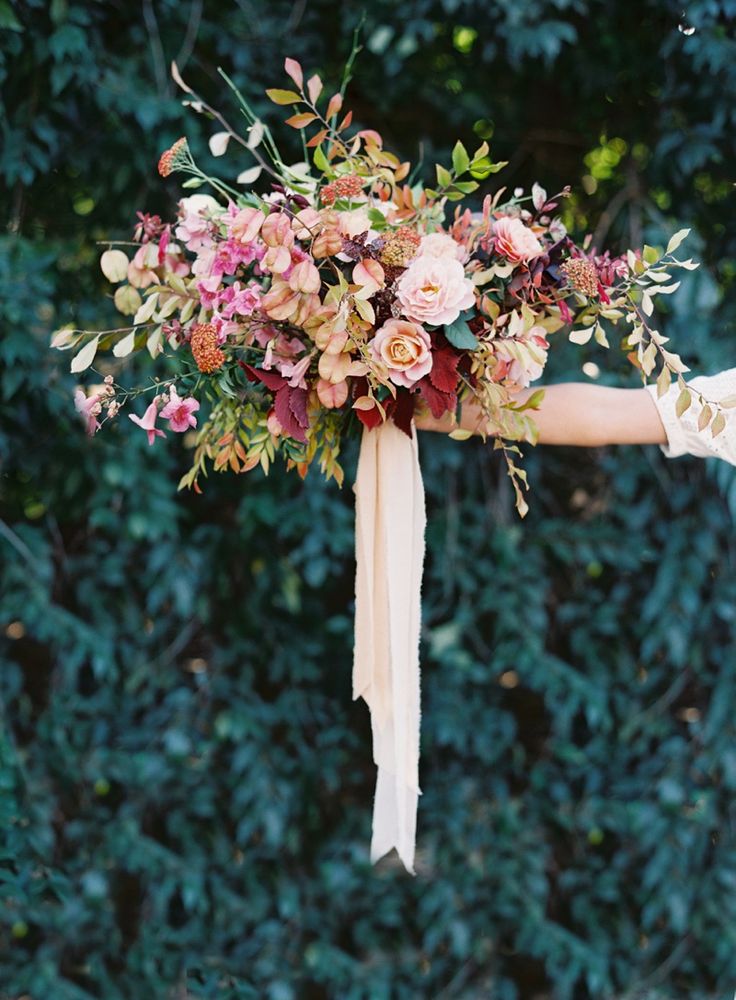

Maintaining a natural aesthetic, organic garden designs were in demand in the following years. Instagram weddings dominated the floral art scene, popularizing a garden-style luxury, along with celebrity weddings that featured oversized, organic bouquets. The rise of ombre in beauty and fashion inspired gradient palettes in floral design, helping soft gradient color styling become a major trend in recent years.
2020–2021


The pandemic changed nearly everything in 2020–2021, including the way we approached floral design. Since everything was virtual, social media was the place to show off the trending monochrome aesthetics that looked good on camera. Dried and preserved styles gained popularity due to COVID-19 supply shortages and increased demand for longer-lasting arrangements. Minimalist home designs began to shift into the spotlight as the focus on living spaces intensified during lockdowns.
2022-2025


The pandemic changed nearly everything in 2020–2021, including the way we approached floral design. Since everything was virtual, social media was the place to show off the trending monochrome aesthetics that looked good on camera. Dried and preserved styles gained popularity due to COVID-19 supply shortages and increased demand for longer-lasting arrangements. Minimalist home designs began to shift into the spotlight as the focus on living spaces intensified during lockdowns.
Final Thoughts
Floral design throughout the decades is a piece of history in its own right. The influence of the world around us immediately affects our choice in design, even if we don’t notice it! So what trends will define the next era of design and which new looks are already starting to bloom?